



A five-minute gap can blow up a murder case, not because the suspect is innocent or the evidence is weak, but because somewhere between a crime scene, an evidence locker, and a courtroom, the paper trail got messy enough for a defense attorney to pull at the thread.
That thread, Stuart Fine believes, has unraveled too many cases for too long.
The founder of Remergify is building EvidenceTrust, a blockchain-backed platform designed to create an immutable chain of custody for criminal evidence from the moment it is collected. Every touchpoint, from the first photograph at a crime scene to its eventual presentation in court, is logged, verified, and preserved in a way built to stand up under scrutiny.
For Fine, the idea grew out of a broader obsession with trust in a world where digital fraud is getting harder to detect.
“We saw that AI was going to cause problems. Massive problems,” Fine told Refresh Miami. “Our idea is to build trust architecture for companies and for the broader public.”
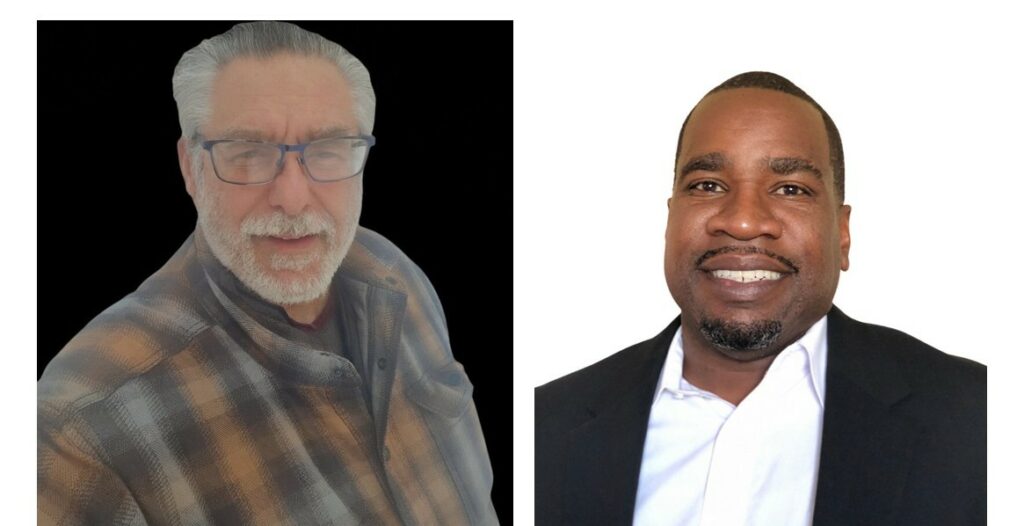
That concept became the backbone of Remergify, which Fine co-founded alongside Alfred Farrington II. The company has been building products focused on verification, identity, and record integrity, but EvidenceTrust may be its clearest commercial use case yet.
Florida makes for a compelling proving ground. The state has one of the lowest criminal conviction rates in the country, with roughly 41% of criminal prosecutions ending in dismissal. Fine believes weak chain-of-custody systems are part of the problem.
His answer is practical. Officers arriving at a scene can use their phones to photograph evidence, instantly creating a GPS-tagged, time-stamped record tied to blockchain infrastructure. As evidence is bagged, transferred, tested, and reviewed, every handoff is scanned and recorded.
“You know exactly who bagged it, who tagged it, where it goes from there because everything gets scanned in,” Fine said. “So you have an immutable chain of custody, which is what lawyers often try to exploit.”
He pointed to the O.J. Simpson murder trial as an example of how focused that scrutiny can be. “His job was solely to discredit the blood evidence. That was it. One day’s worth of work. And that was his sole job,” Fine said of an attorney from the defense team.
What makes Remergify interesting is that Fine sees this technology as useful far beyond law enforcement. The same trust architecture, he said, can be applied to deed verification, identity checks, logistics, and other systems where fraud or record tampering creates real financial and legal risk.
“I spend hours and hours just thinking about all the different ways that people get screwed,” he said. “And it’s just literally nuts.”
That builder mindset is also what drew him toward Miami, which he compared to New York’s early internet boom years.
“We’re seeing the same thing in Miami,” Fine said. “Out of all these giant tech clusters, to me, Miami is the most logical choice at the moment.”
Fine’s broader goal is to use technology to shift power back toward ordinary people by making trust less fragile and more verifiable. That may sound lofty, but in criminal justice, where a missing signature or unexplained gap can change the outcome of a case, trust is often what decides whether truth holds up at all.
READ MORE IN REFRESH MIAMI:
- South Florida is becoming a mission-critical hub for defense innovation
- Propy secures $100M credit facility to modernize title and escrow
- Miami Digital Real Estate Summit explores digital twins as key to climate-resilient cities
- Israel Tech Week: Israeli tech, stock exchange thriving despite war, panelists in Miami say

- Can Bitcoin solve the broken homebuying math? Milo thinks it can - October 6, 2026
- Emma Harris’ second act is off the wall - October 5, 2026
- doxx.net raises $38M to put AI agents on a shorter leash - October 1, 2026