


A missed rent payment does not usually sound like a healthcare issue. Neither does an aging parent struggling to climb the stairs in a two-story home, or someone sleeping on a friend’s couch after losing a job. But for Upside (FKA UpsideHōM), those moments often sit at the center of rising medical costs and poor healthcare outcomes.
“We were a totally different business back when we launched,” founder and CEO Jake Rothstein told Refresh Miami.
Upside first emerged from Rothstein’s own family experience. After his grandfather moved into senior living, his grandmother was left alone in a home that no longer made sense financially or physically. The family relocated her into a rental apartment better suited to her needs, sparking the idea for a platform focused on helping older adults find stable housing and support.
At first, the company sold directly to consumers. But Rothstein and co-founder/COO Peter Badgley believed there was a bigger opportunity: convincing healthcare organizations that housing instability was driving major medical costs.
By 2024, Upside began pitching insurers on that idea. The company argued that stable housing could reduce ER visits, shorten hospital stays, and improve medication adherence. One of the country’s largest insurers decided to test the model in Virginia.
“We started getting referrals very quickly,” Rothstein said. “Within three months, we were housing people at a rate that these health plans had never seen before.”
That pilot quickly expanded into a relationship spanning 22 states. Rothstein said the company grew around 2,000% in 2025, scaling from nine employees to 65.
How did they grow that fast? “It’s a lot about timing, luck, and persistence,” he said. “You can call it a ‘don’t-die’ attitude.”
Rothstein described “housing instability” as a spectrum that includes people experiencing homelessness, workers who fell behind on rent after losing a job, and families trapped in unsafe living situations.
“If you don’t know where you’re sleeping tomorrow night, you don’t care about going to see your primary care doctor,” he said.
AI has also become a major operational advantage for the business. While Upside still relies heavily on humans to build trust with vulnerable users, many administrative tasks are now automated behind the scenes.
“These are things that case managers months ago would have to do on their own,” Rothstein said. “Now they’re able to do so much of this heavy lifting.”
The company has not raised outside funding since 2022, though Rothstein said new fundraising discussions are underway. Upside is also preparing to expand beyond Medicaid and Medicare into employer-sponsored healthcare, targeting large self-insured companies.
South Florida remains the company’s home base, with offices in Fort Lauderdale and West Palm Beach.
“We want to build this tech ecosystem,” Rothstein said. “We want to be a part of it.”
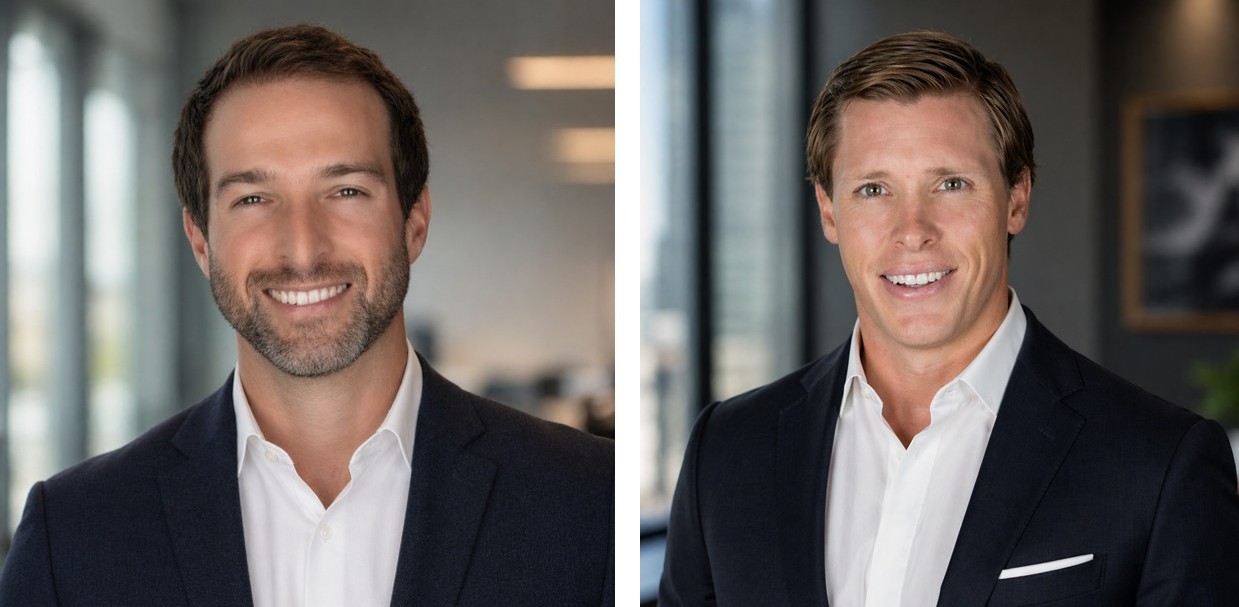
Pictured above: Left to right, Upside Co-founders Jake Rothstein, CEO, and Peter Badgley, COO.
READ MORE IN REFRESH MIAMI:
- UpsideHōM expands senior living network to 5 Florida markets, plans to reach 100 US markets this year
- Neurolief raises $6M to fuel U.S. rollout of at-home depression therapy
- Milo tops $100 million in crypto mortgages as it doubles down on Bitcoin-backed home loans
- How Papa is turning companion care into a healthcare must-have

- doxx.net raises $38M to put AI agents on a shorter leash - October 1, 2026
- Jeeves raises $110M to take its stablecoin play global - September 30, 2026
- It’s a deal, #MiamiTech! Carnegie Mellon to open a Wynwood campus - September 30, 2026