

We also catch up on some of the piloted solutions in previous MDIA challenges
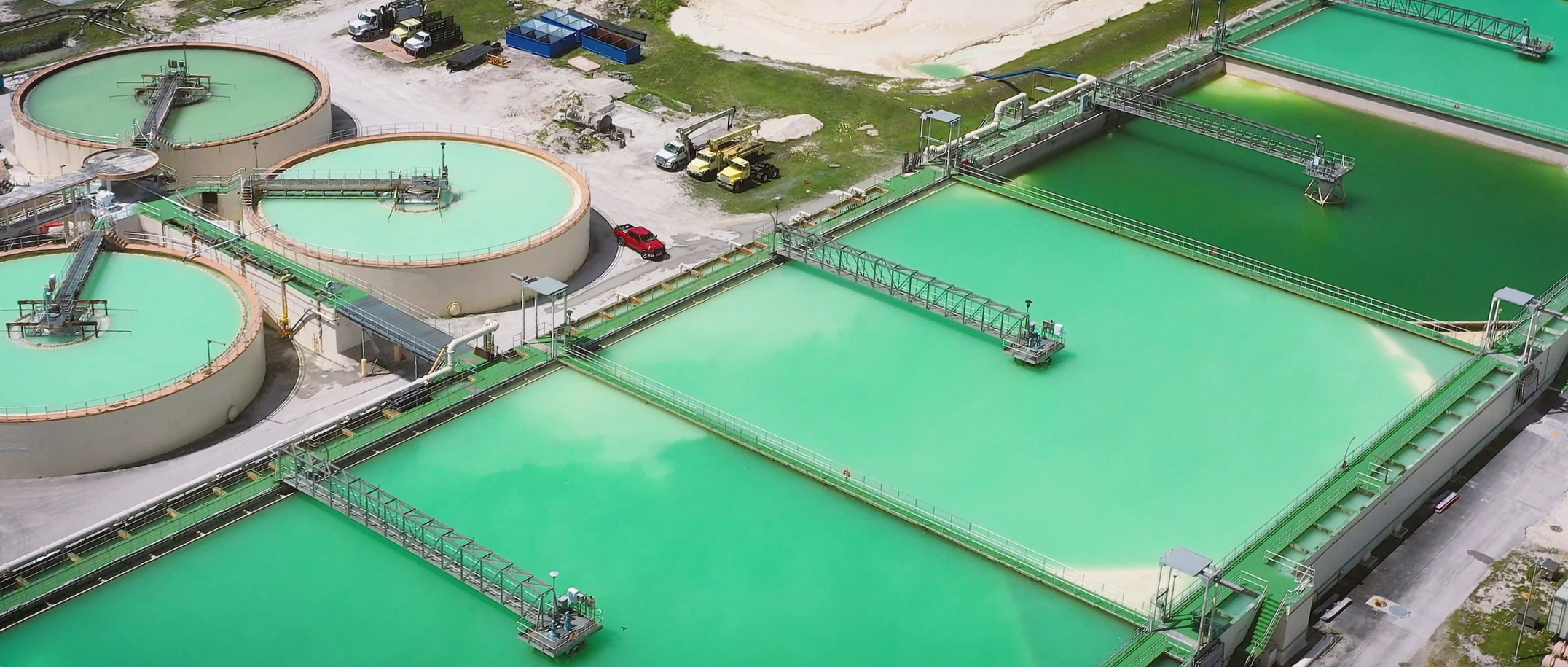
Today, the Miami-Dade Innovation Authority launched its eighth Public Innovation Challenge, partnering with the Miami-Dade Water and Sewer Department (WASD) to pilot programs focused on improving operational efficiency, strengthening infrastructure resilience, and advancing circular economy strategies within one of the nation’s largest utility systems. At least three companies will receive $100,000 each to test and validate their technologies alongside WASD.
Applications are open through July 15, 2026. The challenge was developed in collaboration with the Miami-Dade County Department of Environmental Resource Management and Florida International University’s Department of Civil and Environmental Engineering.
Miami-Dade, along with cities and counties across the country, are facing the same pressures including aging infrastructure, rising costs, sea level rise, and water quality issues.
“Water is the only universal public asset that we have, and it’s essential to life,” said Leigh-Ann Buchanan, president and CEO of MDIA, in an interview with Refresh Miami. “In Miami-Dade County, we can test in a real-world environment the types of solutions that are going to help Miami and other water utilities meet resident needs, that’s what’s exciting to us.”
More details on current challenge
Buchanan said the challenge is designed to accelerate practical technologies that can be deployed quickly and tested in real-world conditions. Proposed solutions could include systems that convert fats, oils, and grease into renewable products such as biofuels, tools that recover value from water treatment byproducts, predictive maintenance platforms, and intelligent systems that modernize utility workflows and data management.
Miami-Dade County Mayor Daniella Levine Cava said the effort aligns with the county’s broader push to modernize infrastructure while improving sustainability and public health outcomes.
“By pairing our ongoing infrastructure investments with public innovation, we are taking a smarter approach to increasing resilience, protecting public health, reducing costs, increasing operational efficiency, and creating value from what would otherwise be considered waste,” said Levine Cava, in a statement.
This comes as WASD continues work on its $8.9 billion Capital Improvement Program, which includes upgrades to pipes, pump stations, and treatment facilities. The department serves nearly 3 million residents, manages more than 8,700 miles of water lines and 4,100 miles of sewer lines, and conducts more than 150,000 drinking water quality tests annually.
One key focus of the initiative is addressing fats, oils, and grease, commonly known as FOG, which contribute to costly sewer blockages and overflows nationwide. Miami-Dade spends millions of dollars each year responding to grease-related maintenance and emergency repairs.
“FOG causes a lot of sewer system failures, driving overflows, backups, costly disruptions. In Miami-Dade County last year alone, WASD had to clear more than 650 grease-related blockages, and a single restaurant can discharge anywhere from 800 to 17,000 pounds of grease into our sewer system,” Buchanan said.

Previous challenges and where they are now
The new challenge builds on MDIA’s growing portfolio of public innovation partnerships. Since its launch, MDIA has deployed more than $1 million in funding and attracted more than 580 startups from 65 countries. Previous challenges have tackled issues ranging from repurposing sargassum seaweed and improving passenger experiences at Miami International Airport to increasing cargo visibility at PortMiami, enhancing transportation visibility during major events, improving access to affordable housing, and advancing waste diversion efforts across the county.
The organization’s pilot-based approach is designed to help local governments test technologies faster and reduce procurement barriers that often slow innovation adoption. In the last two and a half years, MDIA launched 21 pilots, and some are on the runway. So far with these pilots, Miami-Dade County has seen a 67% reduction in average time to pilot from 18 months to 6 months or less. MDIA and the county have co-developed a Pilot Demonstration Agreement and streamlined the approval process.
“In connection with FIFA, we’ve been doing some new technology deployments that will help the Transportation Department better manage traffic flows around the World Cup games, and we are looking forward to launching pilots around housing access technology solutions and emergency management solutions in the next couple of months,” Buchanan said.
In addition to giving startups real-world pilot opportunities, some of those solutions are on the way to being implemented by the county, too. For the passenger experience challenge in conjunction with MIA, one of the winners presented tech to help passengers better navigate the airport. “We piloted that solution, and it was able to route more than 7,000 passengers within 90 days, and the airport has since procured that solution and will be implementing it more broadly for the airport,” Buchanan said. “I think that company is now well poised to expand the other airports, too.”
A more recent pilot, for dealing with waste, involves working with the county to launch the first composting pilot. “That is one solution that puts us a step further in the commission’s goal to divert a larger percentage of waste from landfills into more sustainable solutions for managing waste,” Buchanan said. In conjunction with the challenge, County Commissioner Raquel Regalados Regalotto and then-Commissioner Eileen Higgens championed the county’s first composting policy while MDIA concurrently launched a challenge. One of the winners has been going through the process, received all their approvals, and now they’re demonstrating their solution of composting organic waste right at the landfill, Buchanan said.
“We’re working with the county to build the layer of the layer of support that makes it easier for new cutting edge technologies to be tested and adopted,” Buchanan continued. In addition to the challenges, “MDIA works as a public innovation authority is really to be that partner to the county to help build the capacity and infrastructure internally in partnership with different leaders to make sure that technology opportunities can be very quickly implemented and we can find out what works and what we can scale.”
Startups can find out more and apply for the current MDIA challenge here.
READ MORE IN REFRESH MIAMI:
- 3 startups win innovation challenge to help cut landfill waste in Miami-Dade
- MDIA seeks startup solutions for improving access to affordable housing
- The Miami-Dade Innovation Authority’s new public challenge is all about improving how we get around town
- A better MIA experience coming soon? MDIA’s Public Innovation Challenge selects 3 startups to help make that happen
- Miami-Dade Innovation Authority seeks startup solutions to improve PortMiami cargo operations

- From Miami to the World: How a Miami 16-year-old is scaling access to tech education - October 15, 2026
- MDIA lands $3M Knight Foundation investment to expand its innovation model nationwide - October 14, 2026
- Ambition Accelerated kicks off statewide accelerator in key sectors. Here are the 19 South Florida startups selected - October 13, 2026