


How does venture capital really work?
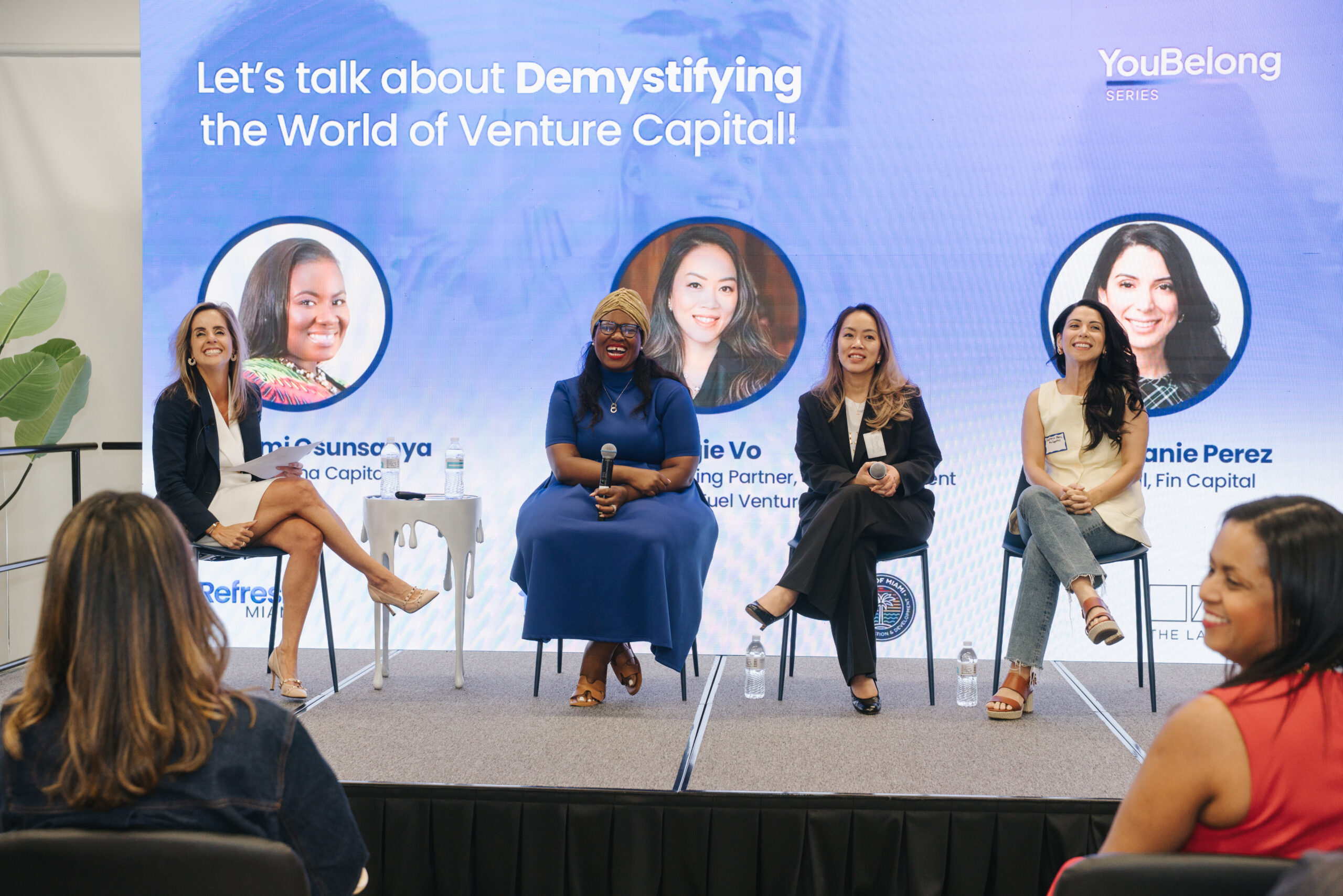
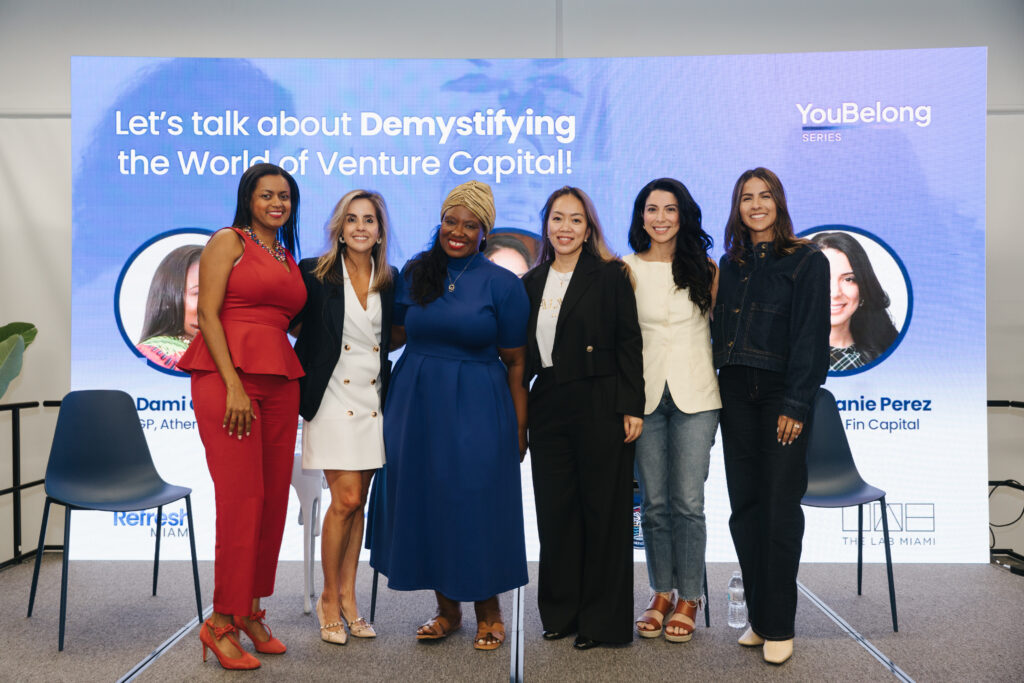
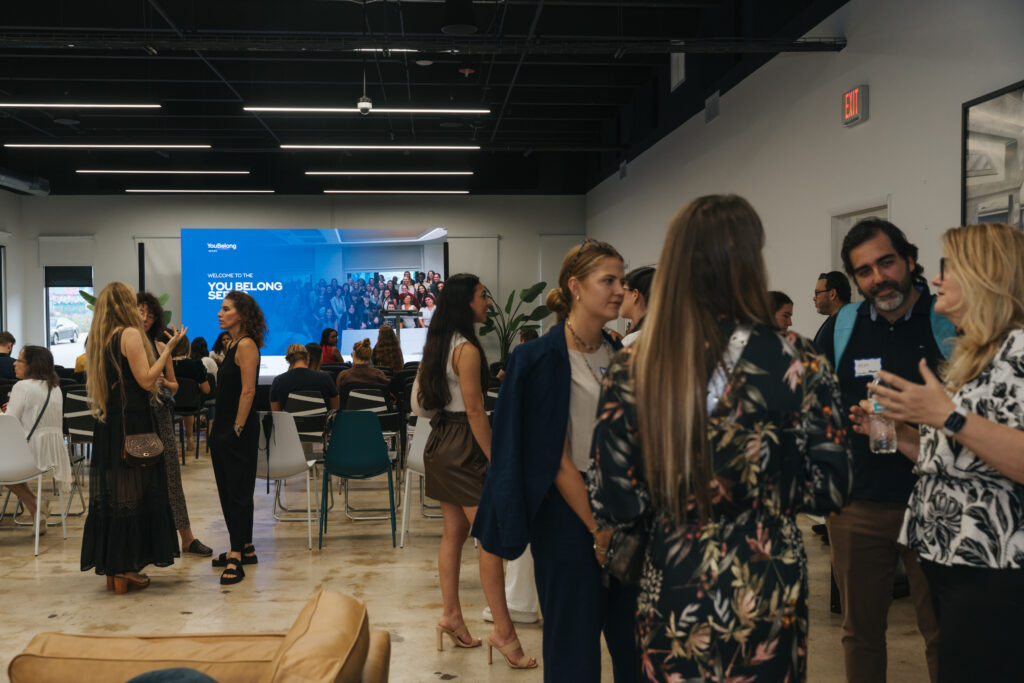
In an industry where fewer than 15% of check writers are women, Dami Osunsanya, general partner at Athena Capital, Maggie Vo, managing partner at Fuel Venture Capital, and Stephanie Perez, principal at Fin Capital, shared what founders often get wrong about raising money, the traits investors actually look for, and how to break into a notoriously closed industry. The VCs took the stage at The LAB Miami on Wednesday night for a You Belong Series panel hosted by Refresh Miami/Women in Miami Tech and the City of Miami’s Department of Economic Innovation & Development.
Their paths into venture capital couldn’t have been more different. Osunsanya spent five years at SoftBank, where she helped launch the Opportunity Fund, before moving into growth-stage investing. Vo, who emigrated from Vietnam, entered the venture industry about eight years ago as capital began shifting from public to private markets and is now one of three Fuel partners managing more than $500 million in assets under management. Perez leaped from operating roles at JP Morgan Chase, R3 and Verifone, into fintech investing at Fin Capital. Each built a career outside the traditional pipeline and leaned on persistence to carve out a seat at the table. The conversation was moderated by Maria Derchi Russo, a VP and investor with FLF (Florida Funders) and Refresh Miami’s executive director.
But the night wasn’t about their résumés; it was about breaking down what founders get wrong about VC. “The moment you start raising, the clock starts, and expectations and metrics need to be hit,” Perez told the room. Venture money isn’t the finish line. With institutional funding comes reporting requirements, board governance, and the pressure to scale faster than ever. “VCs have investors too,” Osunsanya reminded the audience, pointing to the role of limited partners (LPs) expecting returns and how that pressure trickles down.
When the conversation turned to what investors look for in a venture, the panelists pointed to people over pitch decks. Vo likes to see what she describes as a “superstar profile.” This is the founder who knows what they want early in life and continues to place themselves in higher roles because they do not settle for average ones. Aside from a superstar profile, she also likes to see resilience. “Entrepreneurship is hard, you have to do everything at the same time,” she said.
Osunsanya pointed to the importance of a founder’s first five percent hires, calling it a test for leadership. These first hires should be exceptional and probably smarter than you. She also added that she loved leaving a meeting or pitch, learning something new. “The best founders know their market better than anyone in the room,” Osunsanya added.
The conversation also peeled back the curtain for those in the audience hoping to break into VC themselves. The panelists described VC as an “apprenticeship model,” where most of the learning happens on the job. That doesn’t mean the door is closed. They encouraged the audience to immerse themselves in the space by reading, publishing their ideas, building relationships, and even making small angel investments if possible.
On hiring, they noted that there are different opinions on whether to bring on a generalist who can cover a wide range of opportunities or a specialist with deep expertise in one sector. Perez highlighted that there are usually three types of profiles in VC: operators, deal-oriented, and thematic individuals. The panelists agreed there’s value in all but leaned more toward having a generalist on the team. “I like to be a generalist because with VC you want to have your ears out there always spotting the next thing,” Vo said.
Despite its glamorized reputation, the panel made it clear the role is not easy. Behind the term sheets are long hours and the hard work of telling founders no. Like entrepreneurship, it requires resilience.
The panel closed with advice on how founders should approach investors. Relationships, they stressed, are built over time, not in a single email. Even if you’re not raising, it pays to stay in touch whether through a monthly newsletter update or quick check-ins, so that when the time comes, the VC already knows your story. Others pointed out that the strongest outreach is rooted in curiosity, not asks.
Preparation also matters. The investors emphasized the importance of aligning with a fund’s thesis before reaching out. “Make sure you’ve done the homework and align with the thesis of the fund,” said Derchi.
A warm introduction, clear thesis alignment, and thoughtful questions can make the difference between a conversation and a quick no. And the best time to make a relationship with an investor is before you’re looking for a check. ‘The sexiest thing to hear is, ‘I’m not fundraising right now’,” Perez laughed.
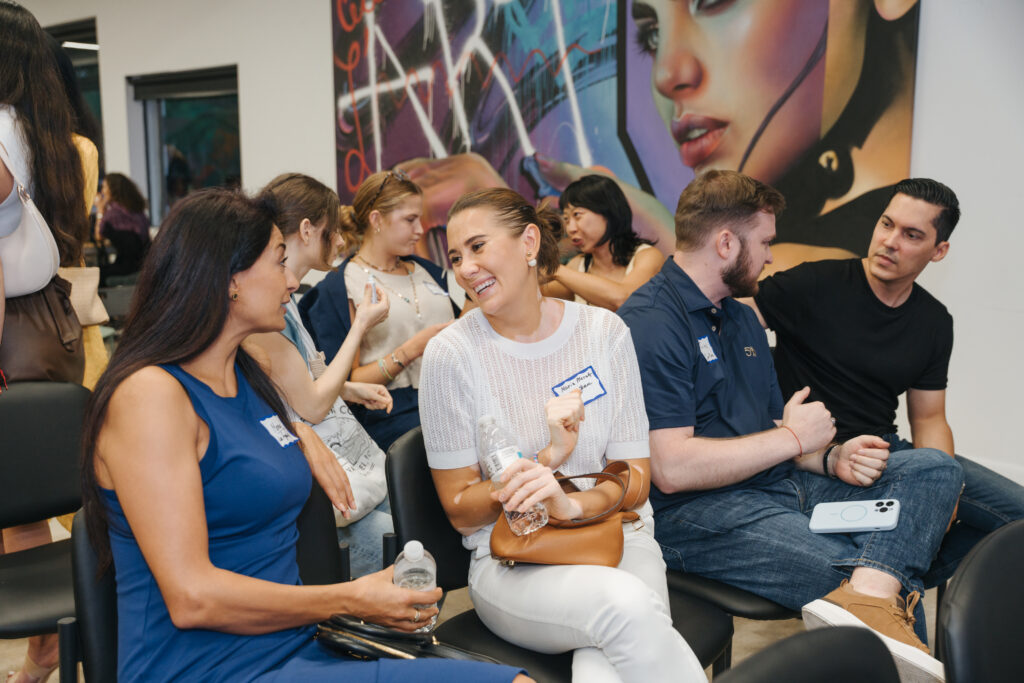
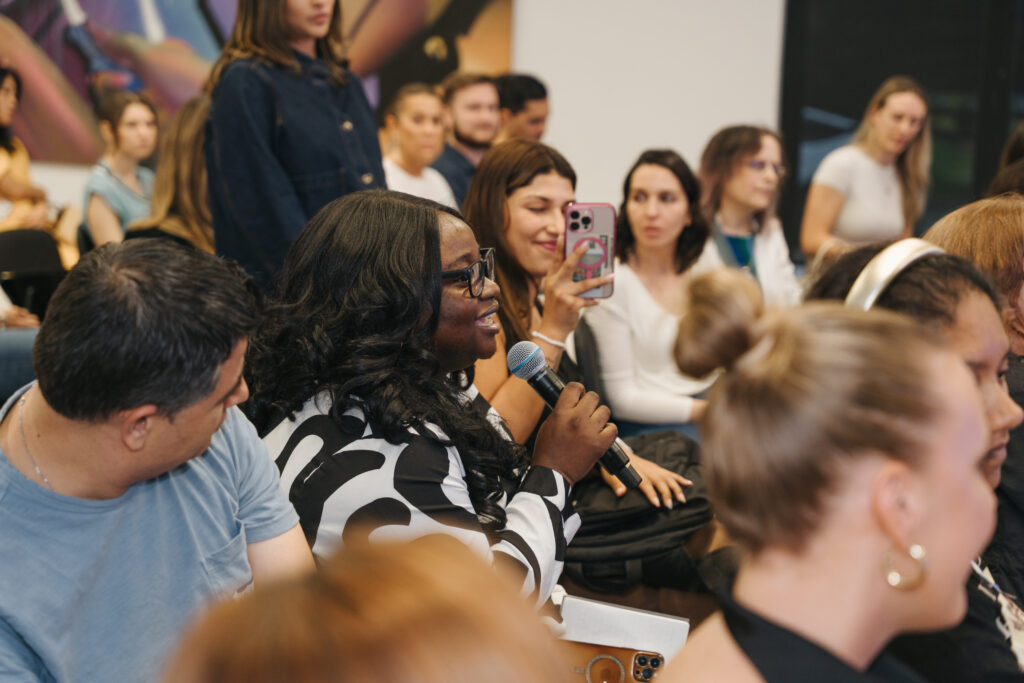
Scenes from the event:
READ MORE IN REFRESH MIAMI:
- Miami’s women in VC are rewriting the investment playbook
- Florida Funders optimistic about the year ahead – and their portfolio companies shared the reasons why
- Miami VCs share what they’re focusing on in 2025
- Fundings of female-founded startups rose in South Florida last year. Who raised the most and what are the trends?
- Miami metro’s startups raised $2.77B in 2024, ranking South Florida as a top 10 VC hub, eMerge Insights finds
- More investor spotlights are here.

anayansy@yansymedia.com.
- Path Intelligence takes top prize at SPARC Ignite 2026 - September 29, 2026
- SPARC Ignite returns with new fellowship and a shot at $1 million prize - September 22, 2026
- Founders Rise Miami launches free workshops for women and minority founders - June 19, 2026