


By Riley Kaminer
A few years ago, Paysend saw a glaring opportunity: the $65 billion corridor of remittances flowing from the U.S. to Latin America, with Mexico as the biggest recipient. The UK fintech company had already built a strong presence in Europe, but its footprint in the Americas was limited. That had to change.
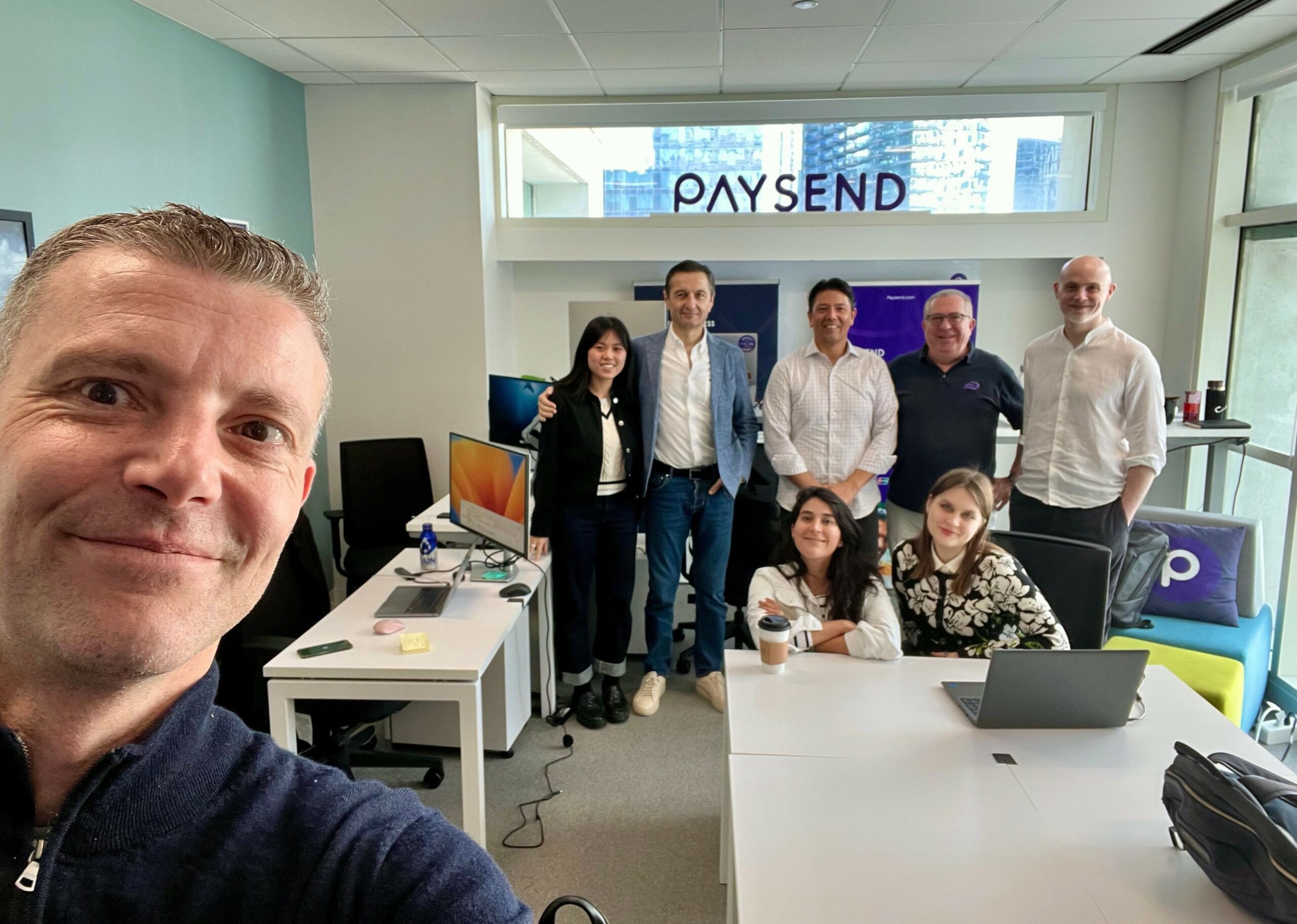
“Miami is the capital of Latin America,” Jairo Riveros, managing director of the Americas at Paysend, told Refresh Miami. The company set up shop in the city in early 2021, and since then, Miami has become more than just a base of operations. It has been a catalyst for growth.
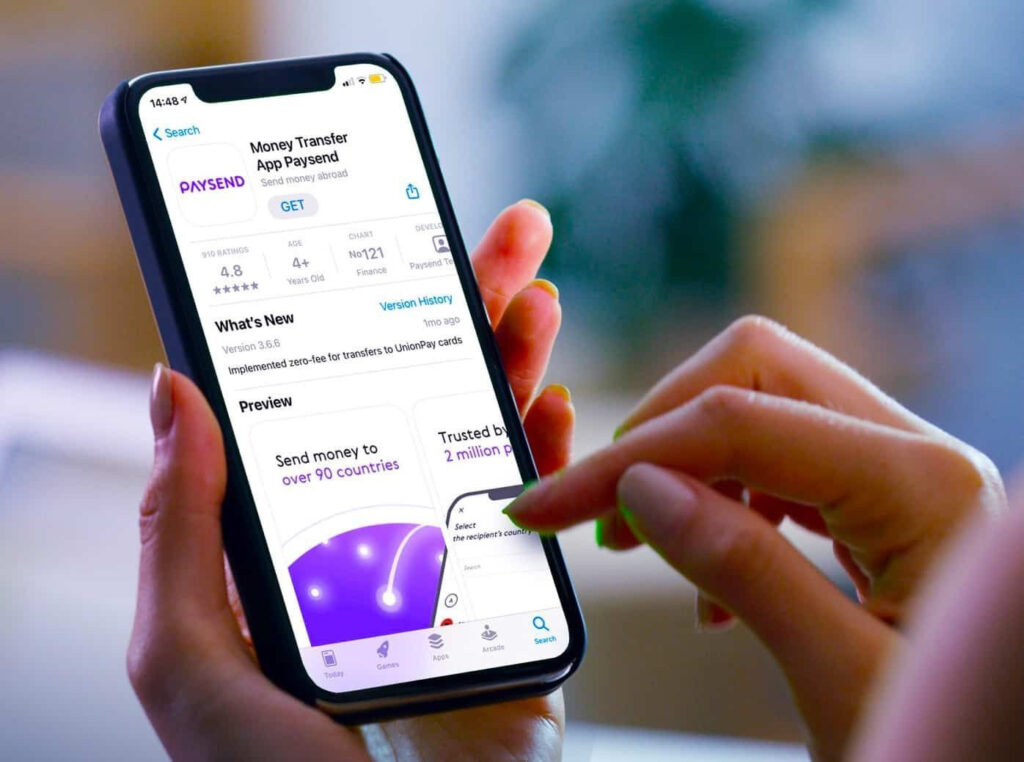
From its Miami headquarters, Paysend has strengthened its relationships with major partners, including Visa, MasterCard, and TelevisaUnivision, all of whom have a strong presence in the city. It has also launched innovative products tailored to Latin American markets, including a digital remittance solution that allows users to send money directly to a recipient’s phone, bypassing the need for a bank account.
“There is a population in Latin America that is unbanked, and they are often paying high fees just to access their money,” Riveros said. “We saw an opportunity to change that.”
After testing the phone-based remittance service in Guatemala, Paysend rolled it out in Mexico last year. By the end of the first quarter of 2025, the company plans to expand the service to Colombia, the Dominican Republic, and Brazil, with a goal of covering the entire Latin American region by year-end.
But Paysend isn’t just looking south. The company is also gearing up to bring its mobile remittance service to the U.S. market. The idea is to enable freelancers, small businesses, and families to receive funds instantly. “We believe there is a market for this in Miami,” Riveros said, pointing to the city’s dynamic ecosystem of startups, gig workers, and cross-border businesses.
Paysend has also been investing in brand visibility. Last year, the company partnered with MasterCard to launch two television commercials that aired during Copa América, promoting financial inclusion for underserved communities. Now, Paysend is working with Visa to develop a similar campaign for the 2026 World Cup, which will be hosted around the U.S. (including in Miami), Mexico, and Canada.
Beyond marketing, Paysend recently surpassed 10 million customers worldwide. But Riveros is already looking ahead: “We know we can reach 20 million in three years,” he said. “We have the product, we have the partnerships, and we understand the customer.”
As Paysend scales, its Miami team is growing, too. The company currently has 12 employees in the Magic City, primarily in regulatory and marketing roles. Riveros expects that number to rise as Paysend builds out its sales and customer service functions. “There is an opportunity to reach out to all these companies that are relocating here,” he said, emphasizing that Miami’s business community is key to Paysend’s next phase of growth.
Looking further ahead, Paysend is already planning what Riveros calls its “Chapter Two.” While the company’s current focus is on individuals and remittances, its next major push will be serving small and medium-sized businesses.
“Many businesses still struggle with slow, expensive cross-border payments,” Riveros said. “Our goal is to change that by making settlement instant.”
READ MORE IN REFRESH MIAMI:
- With $65M in tow, Paysend doubles down on the US-LatAm remittance corridor
- It’s $15.5M for Félix Pago: Fundraise to enable product development and expansion
- OKY raises $2M to expand unique in-kind remittance platform
- Why this Canadian fintech leader is making Miami its new home base
- Leap Financial raises $3.5M to send ripples through the remittance industry
- UK fintech Paysend lands in Miami to expand cross-border payment platform to the Americas

- Dapta raises $6M to give Main Street businesses an AI advantage - October 13, 2026
- David Blumberg on why Miami’s tech moment is still gaining ground - October 13, 2026
- This Miami startup thinks your home should have a signature scent - October 12, 2026