


By Riley Kaminer
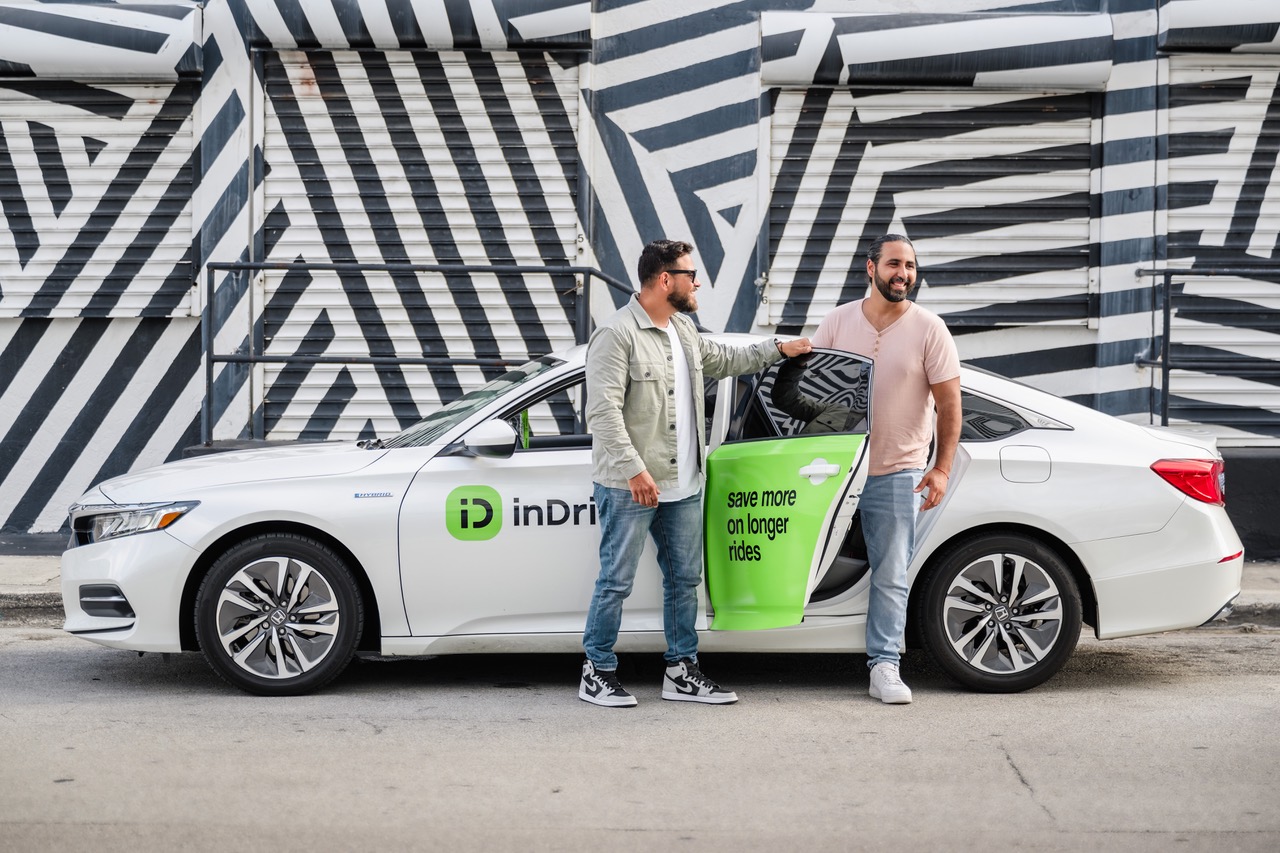
When Adam Warner first heard of inDrive, he was skeptical. “I was like, who’s inDrive? What is this? I’ve never heard of you,” Warner told Refresh Miami. But once he learned that the company was the world’s second-largest rideshare platform, he knew he had to be involved. Fast forward to today, Warner is now the Head of US Operations for inDrive, and he’s spearheading the company’s growth in Miami, its first U.S. market.
At a time when rideshare giants dominate the conversation, inDrive is quietly making significant inroads. With its driver-first approach, the company has grown its footprint in South Florida, targeting drivers who feel shortchanged by other platforms.
“We take the least amount of commission in this space across all of our competitors, so drivers have the opportunity to make more money with us,” explained Warner.

This approach has clearly resonated. Over the past six months, inDrive has seen a 341% growth in drivers in Miami alone. As Warner put it, “Miami is our home base for U.S. operations, and a lot of our testing and understanding of the product is happening here.” The company’s passenger base has grown as well, with a 44% increase in ridership. Warner credits much of this success to inDrive’s local focus and its commitment to reinvesting in the community.
One initiative that highlights this commitment is inDrive’s recent partnership with the Humane Society of Greater Miami. Between late September and early October, inDrive donated 10% of every third ride fare to support shelter animals.
“We were the transportation sponsor for the Walk for Animals, which was a big deal for us,” Warner said. By aligning with community causes, inDrive aims to build deeper ties with both passengers and drivers.
“My target is to get more people to not drive their own cars,” Warner said of Miami’s mobility woes, addressing the region’s notorious traffic congestion. Although inDrive currently focuses on rideshare, Warner is interested in exploring partnerships and new modes of transportation, including micro-mobility options like scooters.
What truly sets inDrive apart is its unique pricing model, which gives both drivers and passengers the ability to negotiate fares. This system stands in stark contrast to the fixed pricing of its competitors.
Warner sees this as empowering both sides of the transaction: “You can choose and have the freedom of choice,” he said, emphasizing that inDrive allows both drivers and passengers to determine what they believe is fair compensation.
Looking ahead, inDrive has ambitious plans for the U.S. market. While Warner is keeping details under wraps, he hinted that Miami will remain the company’s testing ground for future innovations. In December, inDrive will roll out a new version of its app tailored specifically to U.S. users, which Warner believes will significantly enhance the user experience.
“We’re going to be able to make solid product changes more consistently, faster, and more tailored to the U.S.,” he said. Miami will be the first city to get this upgraded experience, further cementing its role as inDrive’s U.S. launchpad.
As inDrive continues to expand into other U.S. cities like Tallahassee and Indianapolis, Miami remains the key to Warner’s strategy. “What’s great about Miami is that it’s truly kind of the incubator that is helping us learn and be able to expand throughout the U.S.”
READ MORE IN REFRESH MIAMI:
- Rideshare, but you decide the price: inDrive says ‘hola, Miami!’
- The Miami-Dade Innovation Authority’s new public challenge is all about improving how we get around town
- Inside Miami’s smart city revolution: AI, startups, and future-ready communities on full display at Smart City Expo Miami
- Expanding beyond eVTOLs, UrbanLink Air Mobility orders 27 REGENT Seagliders to service South Florida and Puerto Rico
- It’s electric! Miami mobility innovation on display at CoMotion

- Terminal acquires Miami AI startup Stationed, plans to double team in Wynwood - October 22, 2026
- Vylit is giving creators a new way to find their fans - October 21, 2026
- Q Intelligence is taking a swing at Hollywood’s money problem - October 21, 2026