

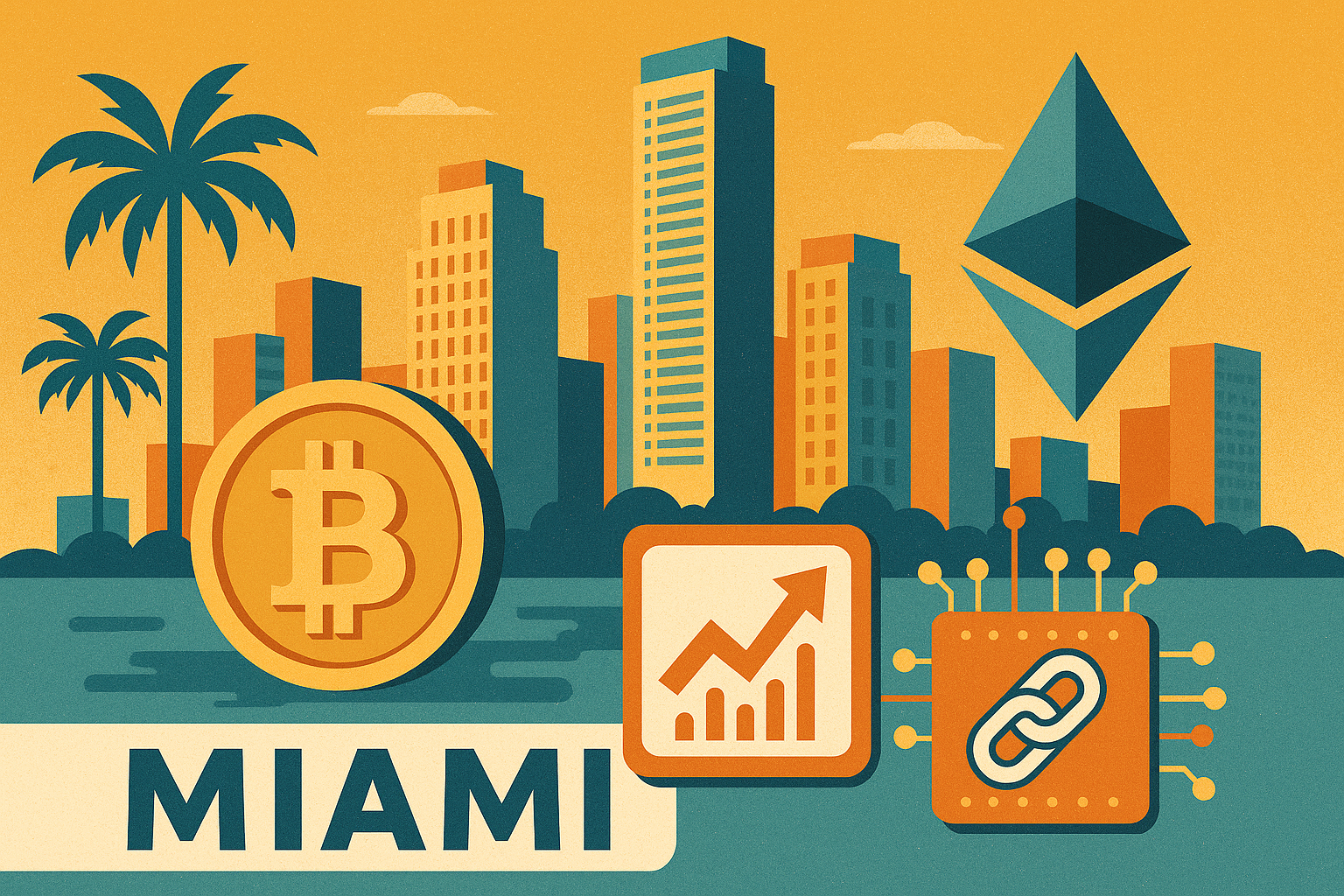
What’s the latest in local web3? Here’s everything you need to know about Miami’s second wave of blockchain startups
By Riley Kaminer
When Bitcoin hit all-time highs of $120k+ earlier this year, Miami didn’t throw a parade. No laser-eyed billboards. No press conference on the beach. But if you looked closely, something different was happening: The builders were still building.
While other cities moved on from Web3, Miami’s crypto community doubled down. And as federal regulators slowly open the door to clearer guidelines through the GENIUS act, the city’s crypto scene is entering a new phase: one shaped less by hype and more by actual products, revenue, and use cases. Investors are noticing.
“The GENIUS Act is the first major crypto law the federal government has passed,” shared attorney Kate Lashley, a partner within Sidley Austin’s Miami office who focuses on derivatives regulation, transactions and compliance matters. “By establishing strict requirements for permitted USD payment stablecoins, the GENIUS Act should reduce potential risks associated with the use of stablecoins and enhance their credibility, which in turn may accelerate the adoption of stablecoins for already popular use cases such as remittances and cross-border trade,” she continued.
“This is particularly impactful given Miami’s relationship with Latin America,” Lashley added. “The passage of the GENIUS Act also signals greater mainstream acceptance of blockchain technology more broadly. Miami-based companies – both emerging fintech’s and traditional institutions – should take note. First movers in implementing compliant practices under the new framework will be well-positioned to compete and lead in this next chapter of financial innovation.”
A new chapter for crypto regulation
For years, the crypto startup ecosystem in the U.S. was defined as much by legal gray zones as it was by technical innovation. That’s starting to change. The SEC’s approval of Bitcoin ETFs and the increasing number of crypto-related bills moving through Congress have helped push things forward. While far from settled, the regulatory picture is less chaotic than it was during the FTX implosion.
That shift is unlocking new types of startups. Just look at Rails, a Miami-based company that raised $14 million in June to offer secure custodial infrastructure – directly responding to the cracks exposed by centralized exchanges. Or CAT Labs, a fast-moving team that’s building tools to help law enforcement track crypto crime, an area once seen as too niche (or too risky) for VCs.

What these companies have in common is a focus on real-world utility and a base in Miami.
Miami’s second wave of blockchain startups
Miami is no longer trying to brand itself as the crypto capital of the world. Instead, it’s acting like one.
“Miami has transitioned from a crypto‑friendly novelty in 2021 to a dynamic, maturing hub by 2025 – marked by institutional anchors like Citadel Securities and Hut8, and companies leading the way for real‑world adoptions such as MoonPay and Spree.Finance,” Superlogic co-founder and CEO Lin Dai shared with Refresh Miami.

“From the first-ever real estate deal executed wallet-to-wallet using cryptocurrency, to Eric Trump and Hut8’s partnership to launch American Bitcoin, the outlook is bullish and underscores Miami’s crypto industry entering a more sustainable, scaled, and influential phase,” Dai added.
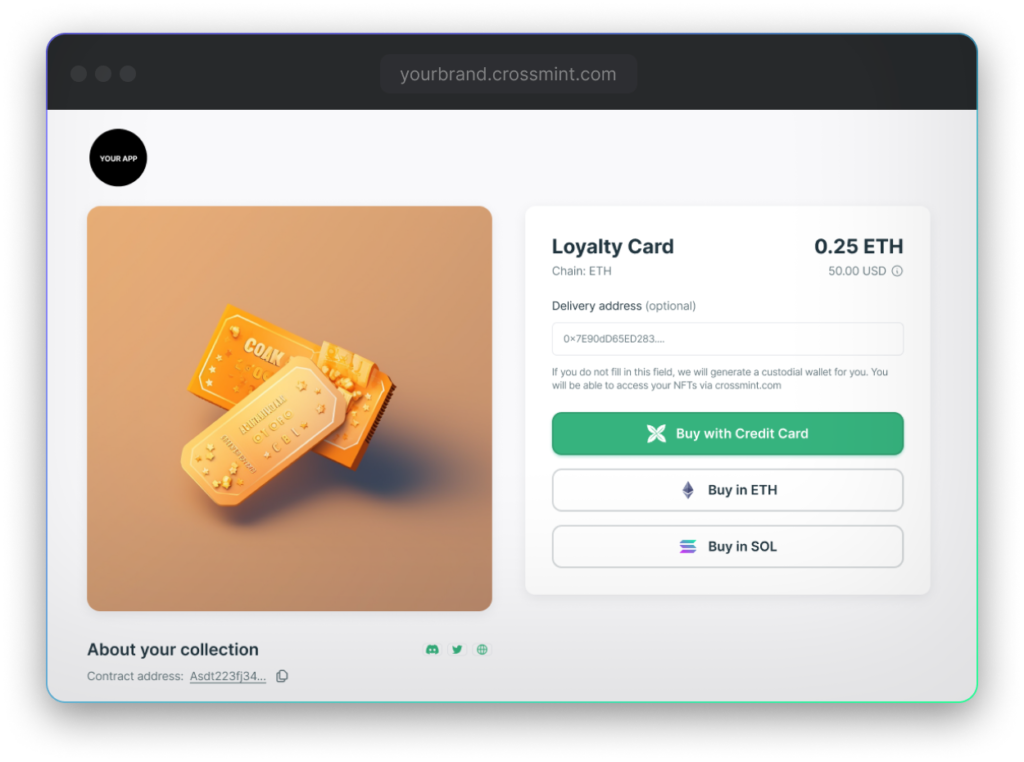
Founders aren’t chasing headlines, they’re building finance tools, infrastructure, and B2B platforms. Castle, for example, raised $1 million to help small businesses quietly convert part of their balance sheets into bitcoin. GoQuant is working on low-latency trading infrastructure. Crossmint raised $23.6 million to help companies plug crypto commerce into AI-driven platforms.
This isn’t the flashy NFT boom of 2021. It’s more technical, more practical, and arguably more sustainable.
Some of the biggest fundraises in Miami this year are blockchain-related. Raise brought in $63 million to reinvent the gift card industry using onchain infrastructure. Superlogic raised nearly $14 million to create loyalty programs built around unique real-world experiences. And MoonPay, one of Miami’s most recognizable crypto startups, kicked off 2024 by acquiring Helio for $175 million – expanding its payment tools and signaling it’s still very much in growth mode.
Even outside of pure tech plays, crypto is bleeding into legacy industries. Solum Global, for example, is applying blockchain to healthcare billing, and Global Settlement Network recently tokenized barrels of oil to ease cross-border dealmaking in Latin America.
Meanwhile, Milo offers crypto-backed mortgages, a model that’s now finding product-market fit.
“Miami continues to be an attractive destination for crypto-related companies. Most recently, Metaplanet announced it will make Miami its U.S. headquarters,” founder and CEO Josip Rupena, told Refresh Miami.

“Many others, like Milo, have maintained a presence and quietly built through challenging times. I expect significant updates from several of them, highlighting what they’ve accomplished,” Rupena continued. “Crypto is in a very different place today, with major progress on the legislative and regulatory front. I believe Miami will shine very brightly in the golden era of American crypto.”
In short: the experiments are back – just with fewer memes and more spreadsheets.
Local money, global ambition
One of the big differences between 2021 and 2025? More of the capital backing these ventures is local.
Firms like Borderless Capital, Nyca, and Founders Fund continue to stay active, but there’s also a quiet wave of South Florida angels, family offices, and syndicates participating in early-stage rounds. Some are coming from real estate. Others are former founders. A few are just die-hard Bitcoiners with dry powder.
Many of these investors are looking beyond short-term speculation. They’re backing founders with sector-specific experience – like Lili Infante, a former DEA agent now building CAT Labs, or the team behind Solum Global with backgrounds in healthcare and compliance.
That blend of crypto-native and industry-experienced founders might be Miami’s real edge. There’s a strong overlap between local sectors (trade, finance, logistics, and healthcare) and areas where blockchain could actually improve efficiency or reduce fraud.
The crypto narrative in Miami is no longer about celebrities and stunts. It’s about infrastructure, enterprise sales, and – slowly but surely – adoption.
What’s next?
Whether Miami can maintain this momentum depends on a few things: sustained regulatory progress, continued appetite from local and global investors, and real-world traction from the startups building here.
But if the last six months are any sign, the hype cycle has given way to something more durable. Builders are still building. And Miami, quietly, is still in the game.
READ MORE IN REFRESH MIAMI:
- MoonPay on the move with $175M Helio acquisition
- Superlogic secures $13.7M to redefine loyalty programs with experiences money can’t buy
- Raise is betting big on blockchain to reshape the gift card industry, raises $63M in funding
- Crossmint raises $23.6M to bring businesses and AI commerce onchain
- Crypto-rich, house-poor? Milo has a mortgage for that
- Blockchain Rx! Solum Global’s cure for healthcare’s payment headaches
- GoQuant nabs $4M to make crypto trading faster than ever
- Inside CAT Labs, the Miami startup racing to stop crypto crime before it vanishes
- Rails launches with $14M to fix what FTX broke
- Castle secures $1M to make bitcoin the quiet hero of Main Street balance sheets
- Tokenizing oil: How a Miami startup just redefined cross-border deals in Latin America

- Dapta raises $6M to give Main Street businesses an AI advantage - October 13, 2026
- David Blumberg on why Miami’s tech moment is still gaining ground - October 13, 2026
- This Miami startup thinks your home should have a signature scent - October 12, 2026