



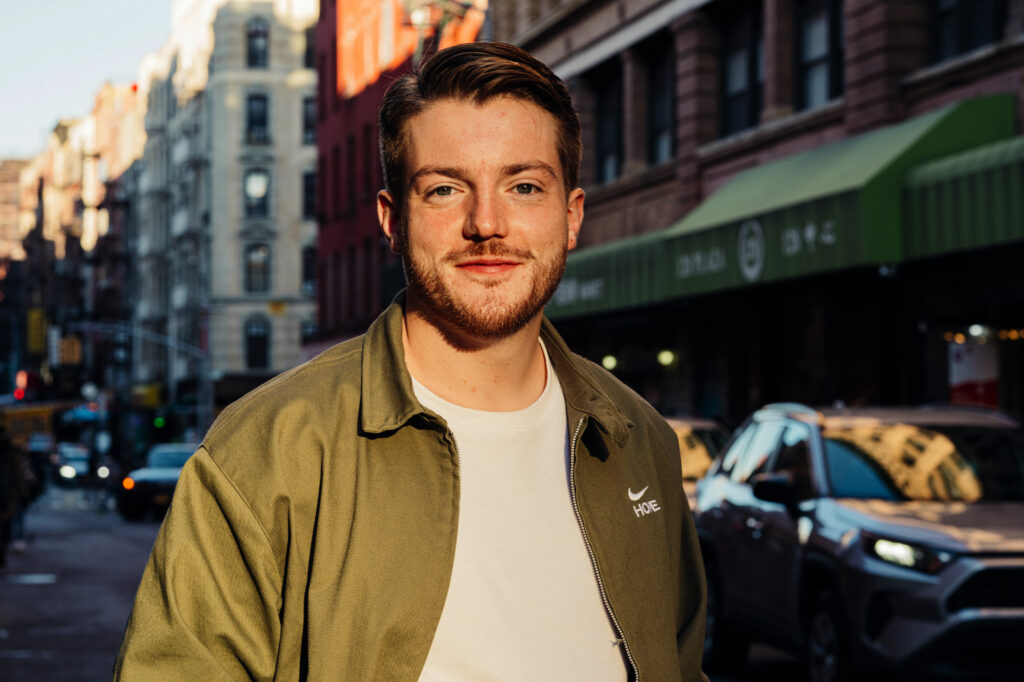
From the start of his career, Jorge Richardson knew he wanted to make a meaningful impact. His first internship at the World Bank put him on that path. There, he contributed to global initiatives to expand access to basic necessities, work that eventually led him to a Buddhist monastery in Nepal.
It was there he met a Spanish entrepreneur working on a tech-driven project that helped people locate free drinking water via their phones. That collaboration evolved into a feature where iPhone users can now ask, “Hey Siri, find me a nearby water fountain,” and see results powered by the very system Richardson helped build.
That experience sparked a realization.
“Right after I graduated college, I decided I didn’t want to be analyzing companies – I wanted to be building them,” Richardson said. “It was after this project that I realized the real issue isn’t helping people find places to refill their water bottles. It’s making refilling so accessible, attractive, and convenient that people want to do it.”
It’s a timely mission. According to Our World in Data, the world produces roughly 350 million tons of plastic waste each year. Between 8 and 14 million metric tons of that plastic end up in the oceans annually; and plastic bottles are among the top five items polluting marine environments.
“Humans gravitate toward what’s easy, convenient, and cheap. So if it’s easier to walk into a store and buy a plastic bottle, most people will do that,” Richardson said. “But if there’s a high-quality, trustworthy, free refill station on every street corner, we believe most people will choose that instead. Why not?”
Around the same time, Cristina Gnecco was forging her own path. Born to Colombian parents who sold everything to pursue the American dream, Gnecco grew up with conversations about tech and entrepreneurship around the dinner table.
“Growing up in the U.S., I often traveled to Colombia with my family. I started to notice the disparities between the two countries, especially around environmental issues,” Gnecco said.
Her interest in sustainability led her to study sustainable development at NYU. After graduating, she joined Global Citizen, an international nonprofit where she worked with businesses and attended global conferences to attract sponsors for their advocacy campaigns.
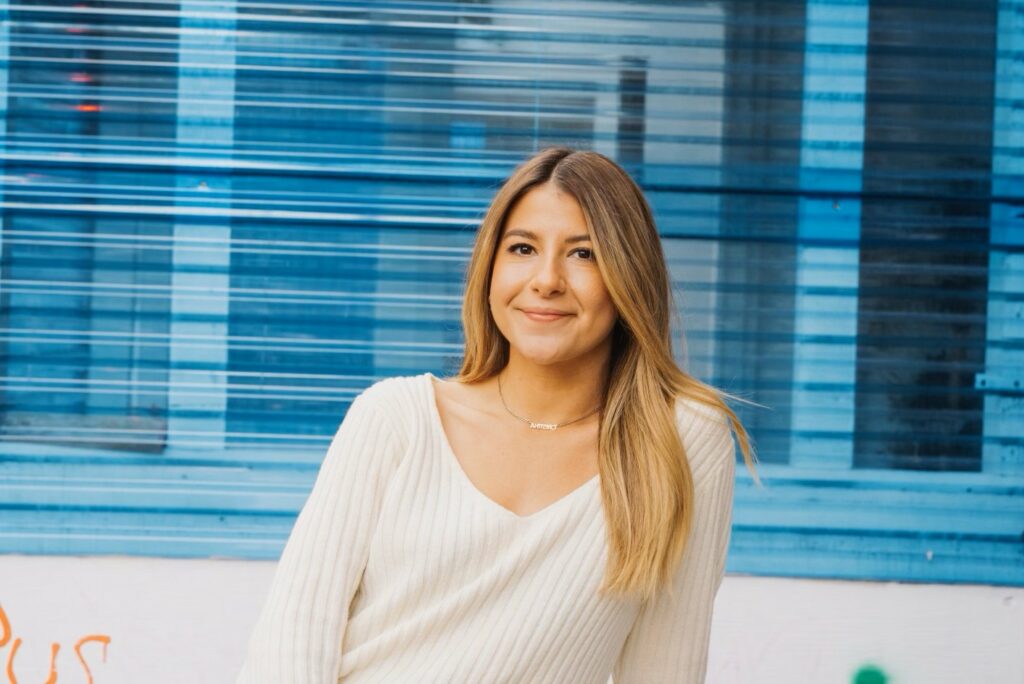
At Cannes Lions, one of the world’s biggest advertising festivals, she met a young entrepreneur with a bold idea: provide free drinking water across the country. That entrepreneur was Richardson.
The two connected instantly, and soon after, Richardson as CEO and Gnecco as COO co-founded HOPE Hydration alongside their third co-founder, David Tigue, head of engineering for the company. Their vision: reinvent access to clean water through smart refill stations powered by digital advertising.
“We asked ourselves, why doesn’t this already exist? And it came down to two things: one, people don’t trust public drinking water infrastructure, and two, there’s little to no money in the space,” said Richardson. “So we said, we need to redesign what the product looks and feels like.”
When they launched HOPE Hydration five years ago, it was the height of the COVID-19 pandemic – not the best time to propose new public water infrastructure. Still, one city’s mayor showed an immediate interest.
“In the beginning, I must’ve sent a thousand cold emails and tweets,” Richardson said. “But within 15 minutes of DMing Mayor Suarez on Twitter, he sent me his personal number and told me to text him. We met him for cafecito. The fact that the mayor of Miami isn’t just talking about tech, but in it, we knew there was no better place to build.”
And build they did.
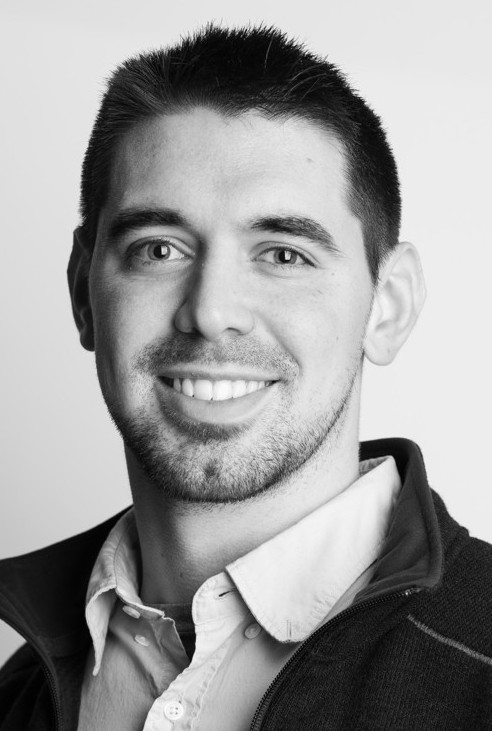
“Back in 2021, we built the original Hydration Station from scratch in just 60 days with a team of three,” Tigue said. “A few years later, we had the chance to redesign it for a major installation. That version took seven months – design, plumbing, electrical, coding systems, and software – built by a small team working nights and weekends. That redesign became our first airport-ready unit, and it launched in a major U.S. airport.”
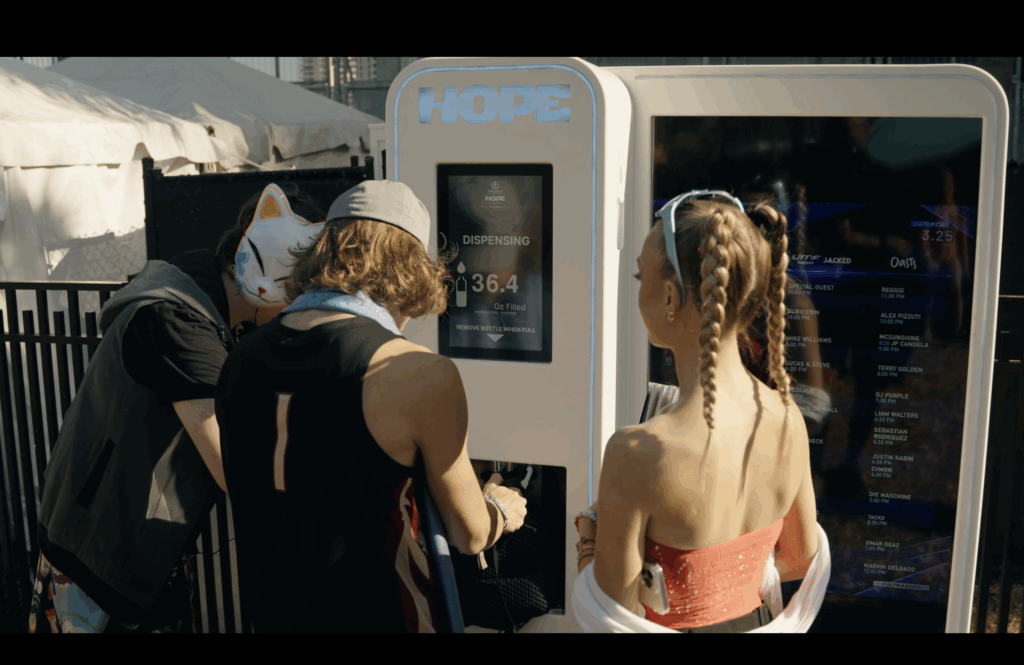
HOPE Hydration stations are cellular-connected, independent of local Wi-Fi, and equipped with onboard sensors – including a flow meter and Wi-Fi antenna – to track usage and foot traffic, key metrics for advertising partners. They also monitor water output in real time to supprt proactive maintenance.
For advertisers, from small businesses to national brands, media buys can range from $10 to multi-million-dollar campaigns.
“The best part of our model is that brands already have media budgets,” Richardson said. “We’re not asking them to spend more, we’re just giving them a better option. Why not invest in a digital screen that invites people to stop, engage, and walk away with free water?”
In Miami, the team launched several high-profile installations – including events with Nike South Beach, Ultra Music Festival 2024, the Formula 1 Paddock, and a Wynwood F1 event – plus three permanent stations in Wynwood, Midtown, and the Design District. These, along with other national locations, have collectively refilled more than 1.8 million bottles to date: 1,873,382 as of April 14, 2025.
Looking ahead, the team plans to scale HOPE Hydration, a registered B-Corp, beyond events, focusing on high-foot-traffic locations like airports.
Long-term, their goal is global. “We want to be a force driving innovative, cutting-edge water infrastructure solutions worldwide,” Richardson said. “We dream of a world where you can find free water on every street corner.”
READ MORE IN REFRESH MIAMI:
- The future is now: Miami AI Agent Summit offered up knowledge, conversation and inspiration – and a bigger event is in the plans
- Three things we learned about proptech and the future of real estate from Israel Tech Week
- From New York to Miami, meet the talent acquisition specialist making waves in tech

- UM students launch AIdMD, reimagining electronic health records with built-in AI - February 27, 2026
- Six women founders pitched at eMerge Americas’ SHINE! competition. And the winner is … - December 19, 2025
- UM grad’s safety app helps students stay protected and connected. Now with seed funding, he’s expanding access - November 12, 2025