

By Karen-Janine Cohen
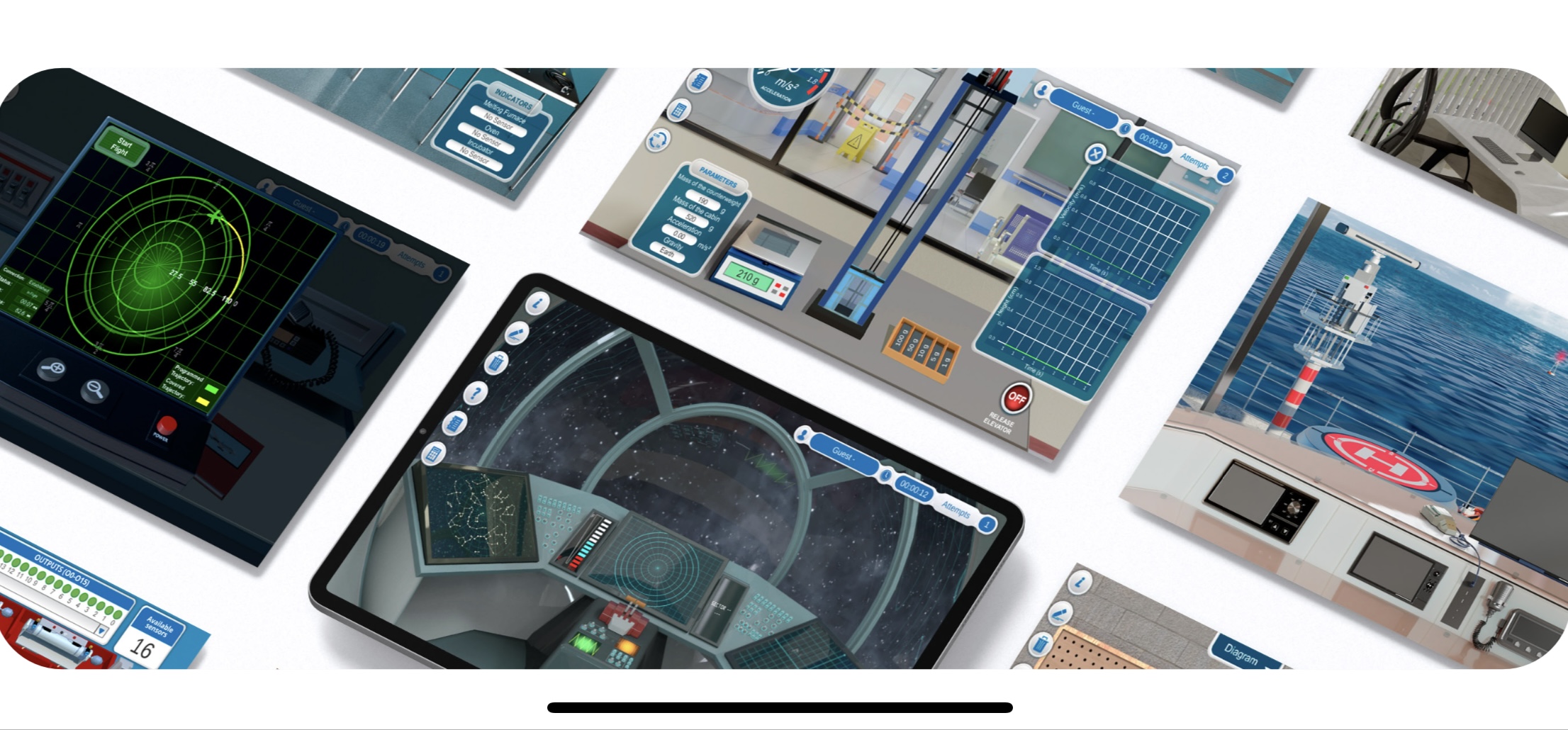
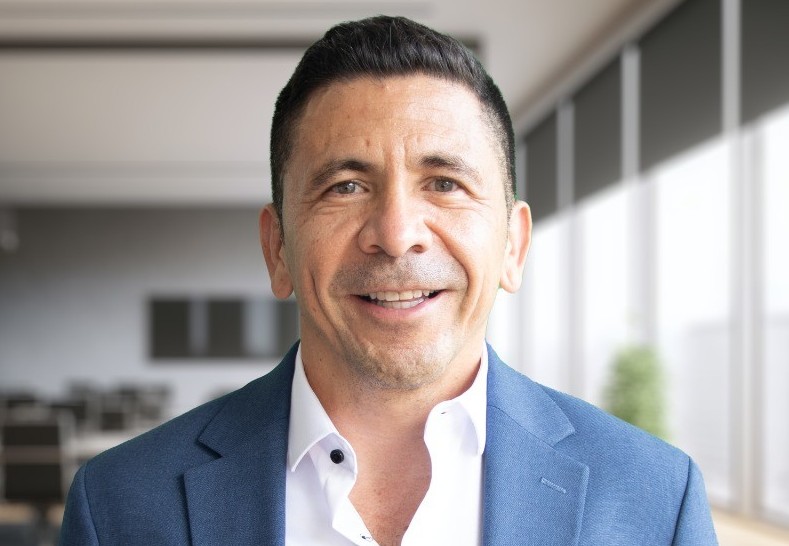
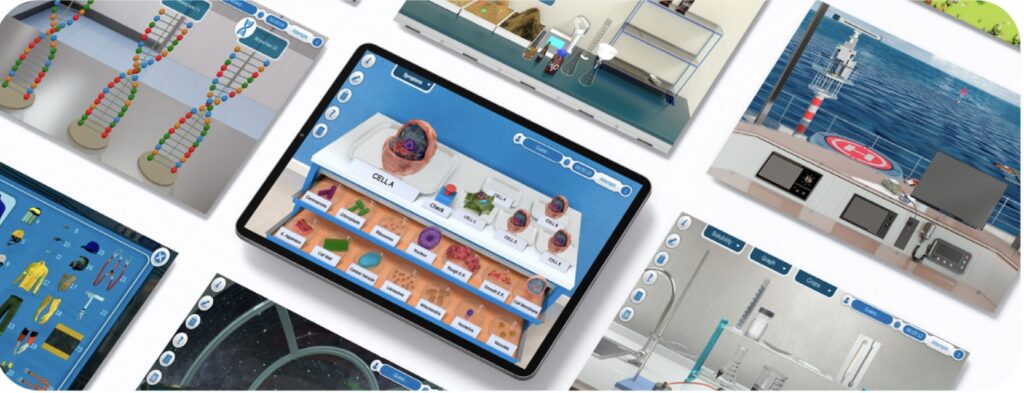
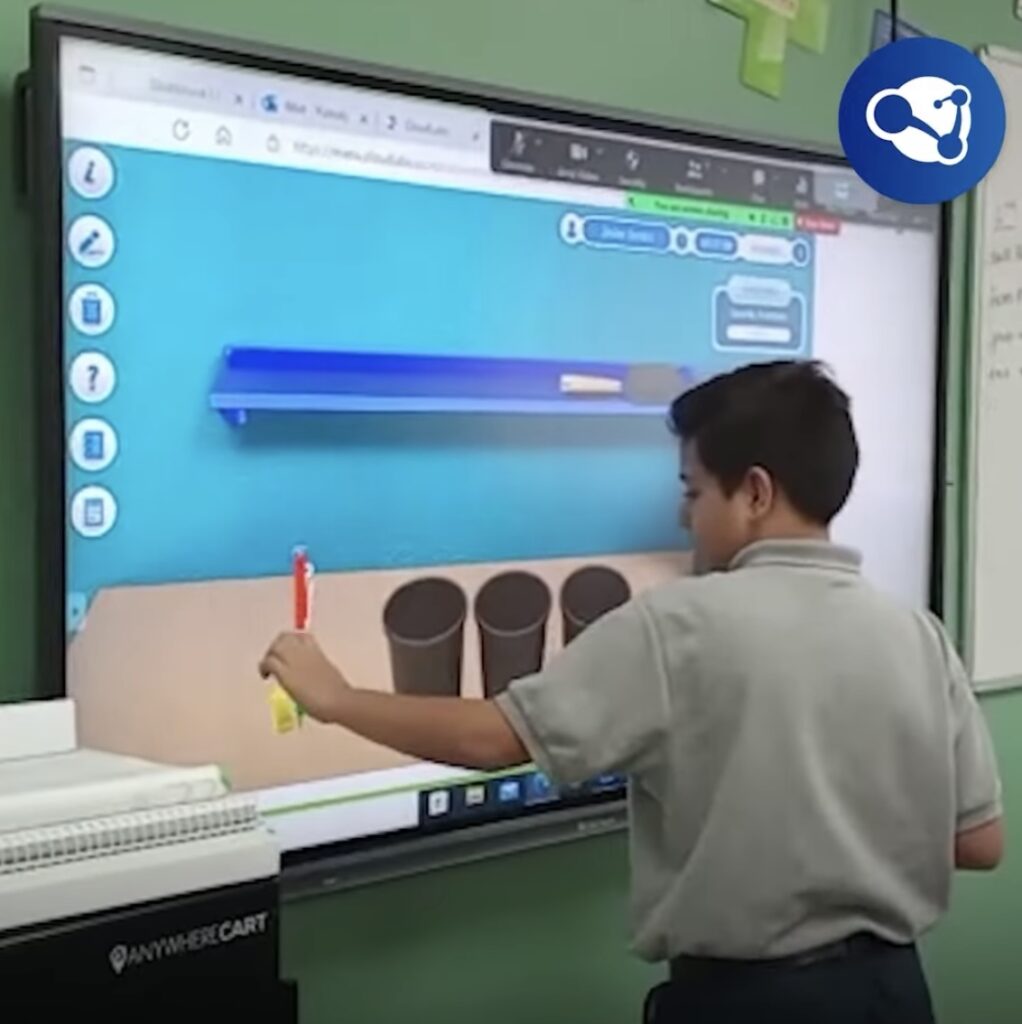
What if instead of burying their heads in gnarly textbooks, biology, chemistry, physics and other students could solve problems as if they were computer games? That, explains CloudLabs Learning founder and CEO Jiovany Orozco, is exactly what his platform does: It provides a superior, skills-based learning experience primarily for science-based courses. And he’s bet his future on it.
Orozco conceived of CloudLabs, which has its U.S. presence in Boca Raton’s Research Park at Florida Atlantic University, in his native Colombia where he pursued a teaching career after earning his electrical engineering degree from Universidad Tecnológica de Pereira in 1997. “I learned about active methodology and how to learn by doing by solving challenges,” he said of his education and classroom experiences. He earned his master’s degree in electrical engineering from the same university in 2012.
His work as a college professor across 10 years is where he learned details about core competency models – how to foster and measure the skills and knowledge crucial for advancing in math, chemistry and other disciplines. The best way, he said, is to allow students to work through challenging problems and emerge either with the solution or at a “dead end.” Using sophisticated graphics, CloudLabs embeds those problems in a visual form with which students interact. “We found students are looking for ways to engage with the concept plan,” Orozco said.
Crucially, using CloudLabs’ model, students are able to retrace their steps to see which decisions were in error and move to the correct path. The secret sauce is the “gamification” of the process, putting the problems in an interactive visual form similar to the online computer games today’s students are already expert at. “The didactic approach is our main theater,” Orozco said. “We have the skills to model any kind of concept.”
The idea originally came from an undergraduate project where Orozco used virtual implementation to simulate lighting and lamps. “We created a virtual lab taking the measures of the light below (the lamps). I learned a lot about virtual implementation,” he said.
Each problem is unique and calls for unique solutions. For example, one of the physics modules (a preview can be found on YouTube) shows how students can experiment with the laws of physics using virtual oscilloscopes, multimeters, vectors, photoelectric sensors, and other “equipment” for problems involving optics, fluids, electricity, and so forth.
CloudLabs was first released in Colombia in 2014. It created its U.S. presence in 2019 and two years ago began offering its products to U.S. schools. It now has 31 registered states-based schools. So far, the company has bootstrapped $20 million to $25 million in revenue back into the company and its products.
CloudLabs’ early accounts were in Latin America. It now has a presence in Colombia, Mexico, Brazil, Portugal, Turkey and the Philippines. Covid restrictions super-charged the business: Before the pandemic it had 10,000 registered users, which rose to 1 million as the pandemic wore on. It won its first U.S. contract in 2020, and moved into the FAU research space in 2022.
It is now seeking about $7 million in funding to move more deeply into the United States market.
In order to match CloudLabs offerings with their classes, teachers can search through the Florida curriculums – which identifies the competencies and benchmarks students are expected to achieve at different levels.
“We have a very good dashboard for teachers and they can see the performance of each student,” Orozco said. Cloudlabs is now working on a lab in Colombia where students can remotely use actual equipment.
Orozco expects his approach can create educational change. “We need to combine the traditional with the new technologies,” he said, adding that while artificial intelligence can help, “but they need the visual resource to create solutions.”
READ MORE IN REFRESH MIAMI:
- Hear my virtual roar: Holoarc’s Holozoo offers a wowser of a show
- She nailed it! Aurelia Edwards makes AI work in the real world
- AI, meet auto parts: A sector just begging for disruption
- South Florida startup Lamatic enables small businesses to capture the power of AI
- A fascination with acoustics, engineering and neuroscience leads to ‘hearing’ the heart

- Petwealth’s at-home tests aim to speed up diagnosis and treatment for our furry friends - May 26, 2026
- Stem cell opportunities expand – and so does GBI - April 8, 2026
- Broken-down commercial trucks find a roadside friend - March 13, 2026