



This week we welcomed the POSSIBLE conference back to Miami Beach, now in its third year. Attendees equate the three-day, fast-growing marketing and media summit to a stateside Cannes, the annual festival held in France.
The event had already outgrown its home at the Fontainebleau hotel and this year expanded into the neighboring Eden Roc hotel. Expansion won’t stop there, with POSSIBLE’s Global President and Co-founder Christian Muche announcing on Monday that they will be adding a conference in Lisbon in October of 2027, as they look to build a global platform.
7,200 attendees joined the conference this year, with brand marketers making up 32%. Speakers included CMOs across many well-known brands like Pinterest, Home Depot and Kraft Heinz, as well as CBO’s from Youtube, Snap and iHeartMedia.
Highlighting the growing importance of influencers in the overall marketing stack, this year we saw the launch of the ‘Creator Economy Academy’. Sessions for this track explored how creators are evolving into their own media agencies and how brands can successfully collaborate with creators.
In a session on deconstructing successful brand-creator partnerships on Youtube, Miami-based CEO & Founder of Influential, Ryan Detert, whose influencer marketing platform sold to advertising giant Publicis Groupe in 2024, thinks we’re only in the 3rd or 4th inning of the rise of influencer marketing. The data would seem to agree, with a recent survey of 600+ marketers by Influencer Marketing Hub showing that 72.2% of respondents expect influencer marketing budgets to increase by 50% or more.

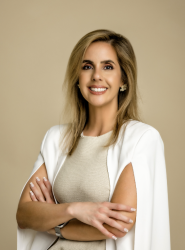
Influencers across sessions shared similar advice for how brands can best work with creators. Both Dhar Mann, whose content generates nearly 300 million views each week, and Valeria Lipovetsky [pictured below], who boasts 7 million followers across social media platforms, stressed the importance of building a long term relationship with influencers – not just a transactional one. This helps creators become trusted brand advocates and leads to better outcomes.

Another sentiment echoed across creators was trusting that they know best what resonates with their audience. Instead of handing over a strict brief, make it a conversation with the influencer, which means having a direct line of communication with them versus multiple middlemen like agencies.
Two additional, highly tactical pieces of advice – (1) when an influencer you’ve hired tags you as a collaborator on a post, make sure you accept it so it gets promoted across your channels too, and 2) make sure to interact with the comments on the post. You’d be surprised by how many brands drop the ball on one or both of these.
Taken together, the conversations at POSSIBLE point to a broader shift: marketing is becoming more decentralized, more personality-driven, and more dependent on trust than ever before. As creators continue to evolve into full-fledged media businesses, the brands that win will be the ones that learn how to partner, not control.
At the same time, POSSIBLE’s continued growth in Miami reflects something bigger happening locally. The city is increasingly positioning itself as a hub for media, marketing, and creator-driven innovation — where the future of how brands connect with audiences is not just discussed, but actively shaped.
Mark your calendar: POSSIBLE will return to Miami April 5-7, 2027.
READ MORE IN REFRESH MIAMI:
- eMerge day 2 cut through the noise on AI, startups, and what it really takes to scale in South Florida
- Miami Tech Summit celebrates that the AI future is here and there’s still time to get it right
- Miami’s Endeavor Summit makes the case for founders building ‘elsewhere’
- Ambition Accelerated applications now open to help startups scale in fintech, healthtech, defense and resilience - July 14, 2026
- Why ‘know any good VCs?’ is the wrong question - May 27, 2026
- POSSIBLE puts creators in spotlight because the rise of influencer marketing is just getting started - April 29, 2026